
001/ 006
Siquijor Villa Resort
Three concept options for a luxury eco-resort in the Philippines, slope, sun, wind, then form.

Architecture Digital AI Training & Education
The right team assembled from 15+ countries. One process. Zero ambiguity.

Four pillars: Architecture, Digital, AI, and Training & Education.
Three voices from recent work. More sit inside the project pages they speak to.
Richard developed a 15-step clash detection workflow for Grantham Hospital which shifted us from managing overwhelming clash volumes to coordinating clear, system-based discipline sets. It gave our team a highly verifiable process we could trust to confidently defend our design stage models. CMRS DT are a genuinely technical BIM partner, which is rare.

CMRS worked as a genuine extension of our team, not as a vendor, but as a partner. Across five workshops they delivered three distinct massing schemes, AI-assisted diagrams, and the final masterplan that carried our client through approval.

CMRS took us from a blank site to a finished home in Canggu. A courtyard tuned to the breezes, a pool at the heart, a rooftop for golden hour, details adapted hand-in-hand with our builder, so what was drawn was what we got.

Designed and built in Bali. From our Bali Residential Consultants.
Villa Patata is a CMRS residence in Tumbak Bayuh, Canggu, completed April 2026. A two-bedroom contemporary tropical home, delivered through our Bali Residential Consultants, María Biurrun and Andrés González. Spatial restraint, material discipline, Japanese-inspired calm. Sunken living room, open kitchen, swimming pool, plunge pool, frangipani-shaded courtyard.
See the project →


Photography by ROA Studio
Three concept options for a luxury eco-resort in the Philippines, slope, sun, wind, then form.
A civic library where parametric daylighting drives form, performance and beauty at scale.
A one-day AI-in-practice intensive delivered for Envisione’s Hong Kong team, ten AI tools reviewed, three CMRS-built apps demoed, real Monday-morning workflows.
A courtyard villa tuned to Bali’s climate, pool at the core, rooftop terrace, rice-paddy views. Built with a local crew.
Library, cultural hall and commercial spine under a single Lingnan-inspired curved roof. 3rd place internationally.
A focused AI-in-practice workshop for Zanghellini & Holt, a Hong Kong hospitality and F&B design studio, live demos of AI, BIM and automation, CMRS-built tools, and workflows the team can apply right away.











Sold on the approach? Let’s talk about your project.
Start a Project →Recent activity across active projects, workshops, and the network.
Construction is mobilising on the first villa of the Siquijor Villa Resort, OP02 The Square. With the original CMRS masterplan locked across the lot, the typology will be replicated as the resort expands across additional villas.
See the project →
A hands-on session delivered by CMRS Design Technology for the Zanghellini & Holt studio, exploring how AI, BIM, and automation are reshaping architectural practice. Live demos, CMRS-built tools, and workflows a team can apply Monday morning.
Training & Education →
A hands-on workshop delivered by CMRS Design Technology for Envisione Studio, exploring how AI, BIM, and automation are reshaping architectural practice. Live demos, real-project integration, and a framework teams can apply Monday morning.
Training & Education →
Architect · Interior Design
Alberto joins from Hong Kong via Tokyo with dual training in Spanish architecture and Japanese practice: a Master’s in progress at Polytechnic University of Valencia, a Building and Construction Engineering degree from Jaume I, and three years between Nagoya Institute of Technology as a researcher and a Tokyo architecture studio. His portfolio spans residential rehabilitation, interior design, and post-tsunami urban regeneration in Rikuzentakata. At CMRS, he contributes to residential design, interior architecture, and the studio’s bridge between European technical rigour and Japanese spatial thinking.
Meet the Network →
Senior BIM Architect · Digital Workflows
Paloma joins from OMA Hong Kong, where she has spent twelve years delivering landmark projects across five global offices — from 88 Seaport Boston and Il Fondaco dei Tedeschi Venice to Chengdu Future City and current work in Seoul and South Korea. A graduate of ETSAM Madrid with a Master’s in BIM Management, she brings fifteen years of senior BIM coordination, Revit implementation, and digital workflow leadership. At CMRS, she strengthens the studio’s BIM strategy and precision-driven, data-rich project delivery.
Meet the Network →
María and Andrés join together as our Bali Residential Consultants, co-founders of an architecture office in Canggu. María spent two years as Project Leader at Sou Fujimoto Architects in Tokyo before co-founding their Zaragoza practice; Andrés brings a decade of construction-side execution leadership across Spain. Villa Patata, completed April 2026 in Canggu, is a CMRS Bali project they led end-to-end.
Meet the Network →
Alberto joins us as a senior architect with 25+ years across Italy and Asia. IUAV Venice-trained, with early-career collaborations alongside Massimiliano Fuksas, Emilio Ambasz and Alfredo Arribas. Team lead designer for the Hong Kong Pavilion at the Venice Biennale of Architecture twice (2008 and 2010), an HKIA Award recipient, and a Guggenheim Helsinki Finalist. His practice spans architecture, interior, and product design.
Meet the Network →
Julia joins us as a Hong Kong-based architect, UK-trained at Northumbria and Nottingham, RIBA-licensed and WELL AP accredited. Her career runs through Benoy Hong Kong on the Suzhou Centre (MIPIM Asia Gold Award 2015) and the Qianhai Centre, through JATO International on The Kube ChengDu and the Changzhou Retail Street (PRC Magazine published), and One Bite Design Studio as Senior Architect. Founder of Mustard Seed Design Studio. BIM Revit lead on the production side.
Meet the Network →Thinking from the studio on AI, BIM, and the evolving practice of architecture.
Three years ago, AI in architecture was a pitch deck. Today, it is a production tool, but only in studios that figured out which AI to ignore.
After two years of shipping AI into nineteen live projects across seven of our active markets, here is what we have learned actually works, what is still theatre, and what is coming next.
Read the full piece →Most studios buy Revit and call it BIM. That is not BIM. That is geometry with a license fee.
Real BIM is governance, the system that decides who owns which piece of data, when it is exchanged, and against which contractual milestone. The software is the easy part.
Read the full piece →Three distinct masterplan options for a confidential alpine resort. How AI diagramming compressed a six-week study into five working sessions, and the unexpected finding that changed how we use AI in early-stage design.
Read the full piece →Architecture is broken. Clients feel excluded. Architects burn out. We built CMRS to fix both sides of the equation, with technology, clarity, and fairness.
From the architect, burnout.
From the client, opacity.
Same system, both ways.
The industry is caught in a standoff between exhausted architects and frustrated clients. Both sides describe a different version of the same broken system, one optimised for hierarchy and habit, not for outcome.
We started this company to fix both sides at once. Not by criticising the profession from the outside, but by changing how the work is actually done, process, technology, and fairness, working in concert.
We founded this company not to critique architecture from the outside, but to challenge it from within.
Four data points.
Four sources.
One broken machine.
The percentages do not contradict each other. Clients excluded from decisions, architects burning out from inefficiency, overtime as default, and a profession that still has not committed to the technology that would relieve all three. The data describes the same system, told four different ways.
This isn’t a marketing claim. It’s the AIA, the RIBA, Monograph, and JBKnowledge agreeing on a problem. The harder thing is what to do about it.
Five percent decide.
Ninety-five percent live with it.
In traditional architecture firms, critical decisions are concentrated at the top, set by habit, not by impact, and grounded in opinion rather than evidence. Fees and priorities are inherited rather than measured, limiting investment in quality, research, or sustainability. Meanwhile, new tools are available but rarely adopted, and emerging voices are excluded from shaping better ways.
At CMRS, decisions are distributed across the 95% of the team who live with the outcomes, grounded in data, measurement, and shared accountability rather than seniority alone.
Clarify scope on day one.
or pay for the cascade by day six.
Most projects don’t fail from poor execution at delivery. They fail from unclear scope on day one, and every stage after amplifies that first failure. By Stage 06, cost and time overruns are structural, not fixable.
At CMRS, we intervene at Stage 01. Clear scope, early stakeholder alignment, explicit constraints, so there’s nothing to cascade.


The cascade is preventable.
The savings are measurable.
Up to 50% saved.
Traditional delivery assumes each stage will absorb the prior stage’s ambiguity. It doesn’t. Unresolved scope at Stage 01 compounds into chaos at Stage 05, and by Stage 06, the project is carrying ~50% more cost and time than planned.
CMRS intervenes at five distinct points before the cascade begins. The curve flattens by Stage 06, up to ~50% saved across both cost and time.
We don’t reward for hierarchy.
We don’t reward for titles.
We reward for contribution.
In traditional architecture firms, those doing the work, designers, modelers, and coordinators, put in long hours under pressure but see little of the value they create for the company and its projects. Meanwhile, those removed from production often take the biggest share, based on position, not contribution or measurable impact.
At CMRS, we believe value should follow effort. Our model fairly rewards those who do the work, creating a more transparent, fairer, and healthier practice.
We reward the people who do the work. These are some of them.
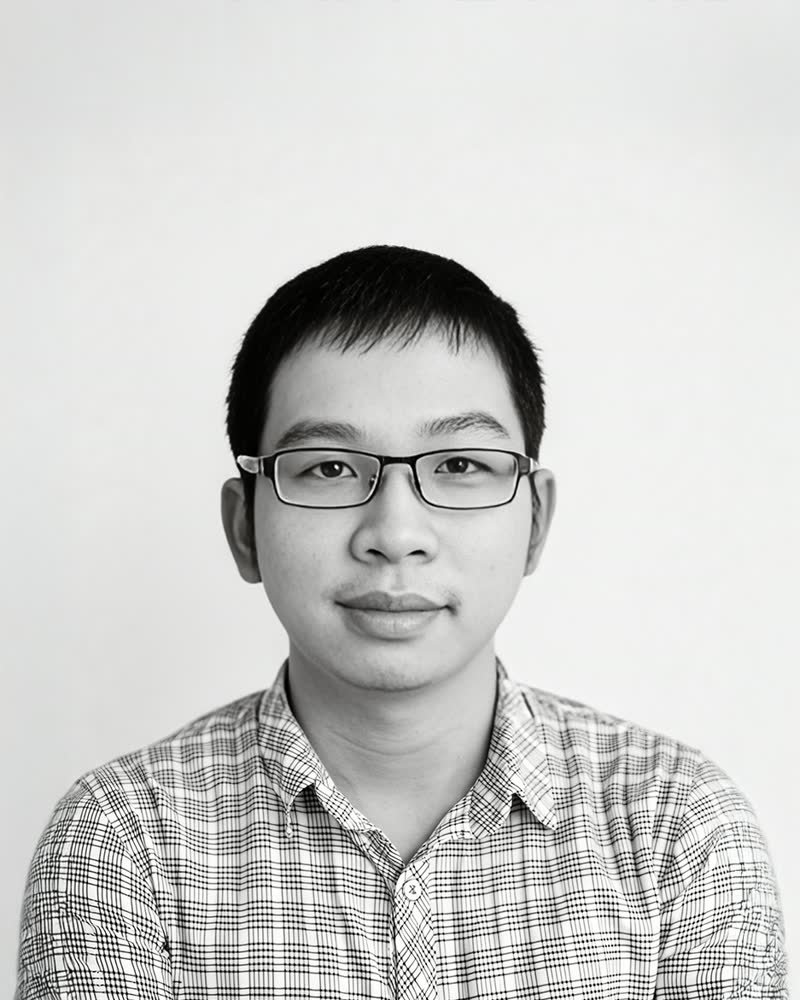
BIM · Technologies

Architect · Designer

Admin

Architect · Designer
 Already in motion
Six principles.
One architecture.
Already possible.
The industry’s shortcomings are well documented. The harder question is what architecture looks like when it’s rebuilt around clarity, evidence, and fairness. These six principles are the answer, already in motion across our projects, ready to scale beyond them.
Where every major decision is informed by simulation, data, and analysis, not by the loudest voice in the room.
Where AI handles the repetitive so architects can focus on the meaningful. Craft is protected. Speed compounds.
Where BIM is not a compliance exercise but a continuous source of verified project data, used by everyone, trusted by everyone.
Where clients can see inside the work at every stage. No surprises. No opacity. Trust rebuilt through visibility.
Where the best specialists in the world are assembled for your project, regardless of their postcode, and disband cleanly when the work is done.
Where the profession stops burning its talent on unpaid overtime. Where automation gives time back, to design, to live, to think.
This is the architecture we’re building toward. The tools already exist. The network is ready.
The only question left, who moves first?
A distributed network of architects, designers, and technologists united by shared standards, shared tools, and a relentless commitment to precision.
CMRS Design Technology was founded by Cesar Marquez and Richard Stewart, digital leaders with a shared vision to reshape how the built environment engages with design technology, BIM, and AI.
Cesar brings architecture and AI experience from studios including AECOM, UNStudio, Sou Fujimoto Architects, and Studio Fuksas, leading design strategy, computational workflows, and visualisation across complex international projects.
Richard led BIM Technology at 10 Design across Hong Kong, Singapore, and Dubai, with prior experience at B+H and Benoy. He is a certified Building Systems Specialist (PAZ. Parametric Academy Zurich) and runs the technical and computational backbone of the practice.
Today, CMRS is a growing network of world-class talent spanning architecture, interior design, engineering, computational design, BIM management, visualisation, and emerging tech. Every member is vetted, experienced, and committed to the same quality standards. Our model means we scale precisely for each project, assembling the right experts rather than maintaining an oversized permanent staff.
Experience accumulated at leading design studios and academic institutions, across complex international projects and benchmarks for design and technological excellence.


Past employment or academic background of individual CMRS team members. CMRS Design Technology is independent and is not affiliated with, endorsed by, or sponsored by any of the studios or institutions shown.
Cesar Marquez and Richard Stewart on why we built a distributed architecture-technology practice, in their own words.
90-second intro · Coming soon35 professionals across 15+ countries. No hierarchy, no egos, a shared commitment to precision and delivery.
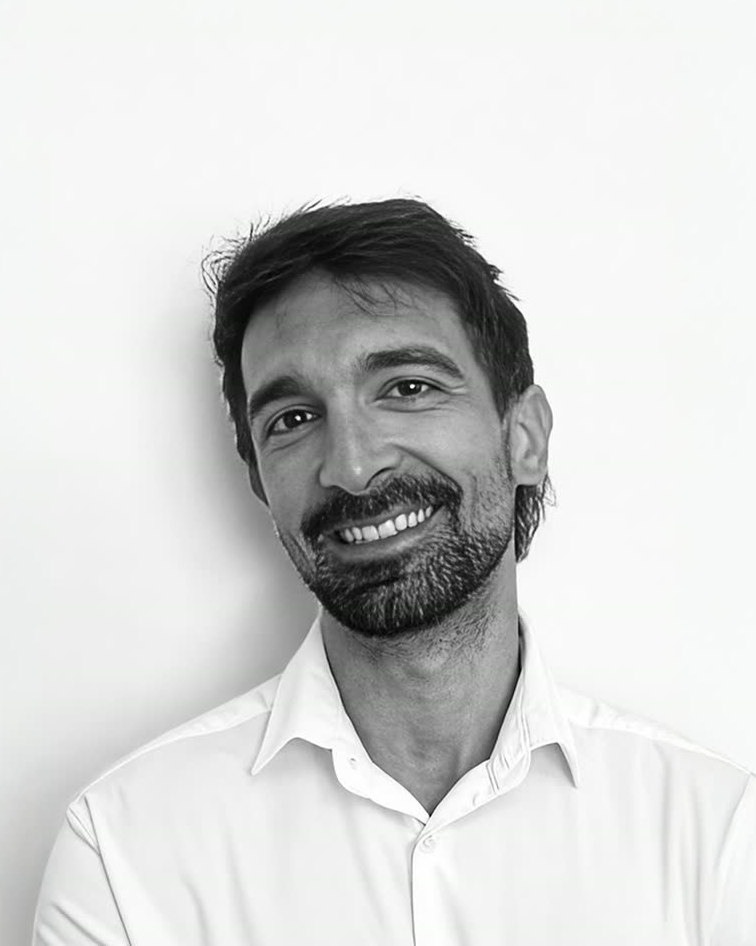



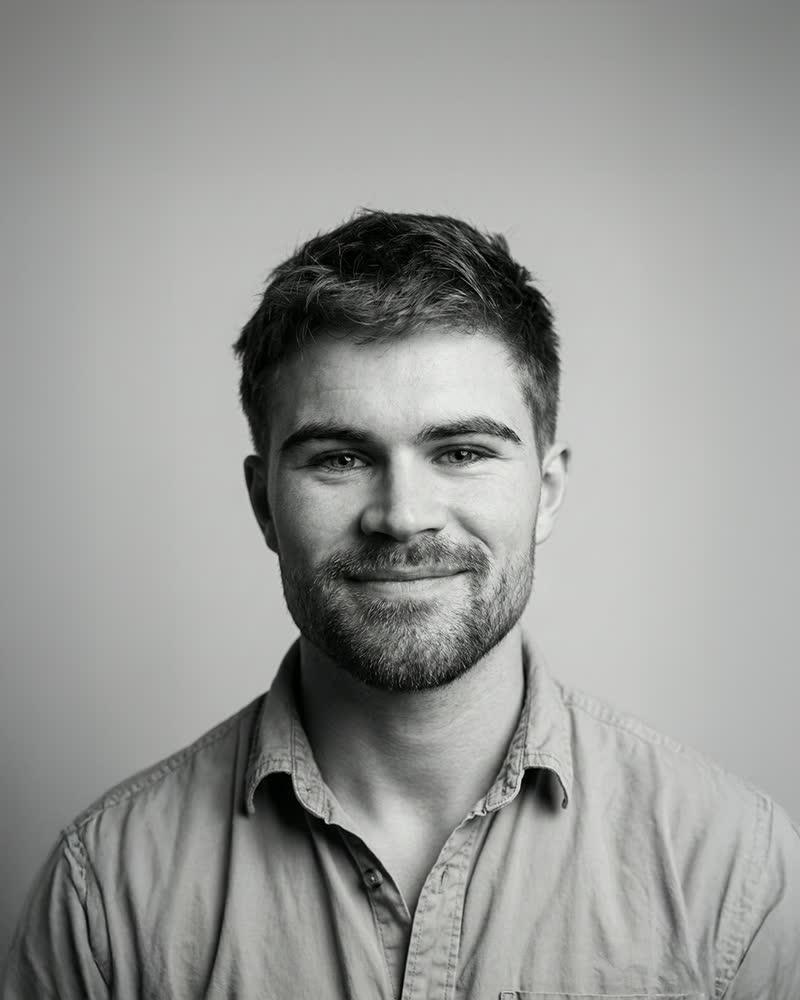





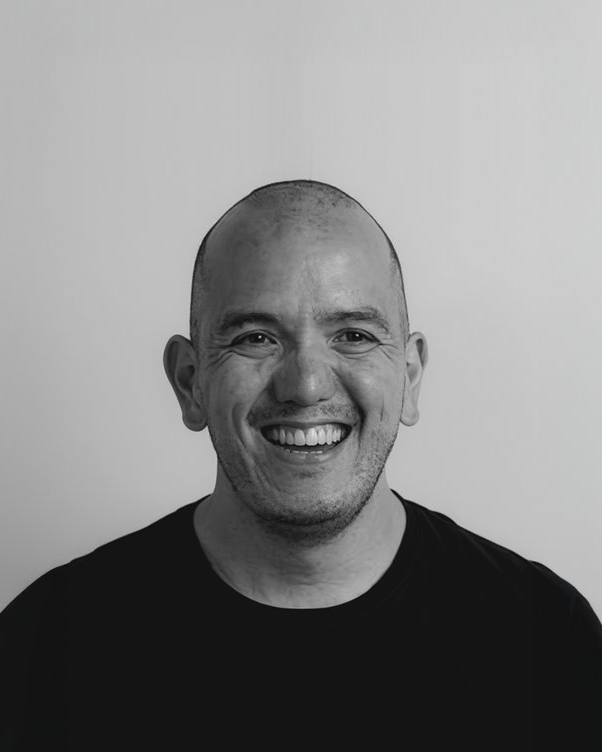


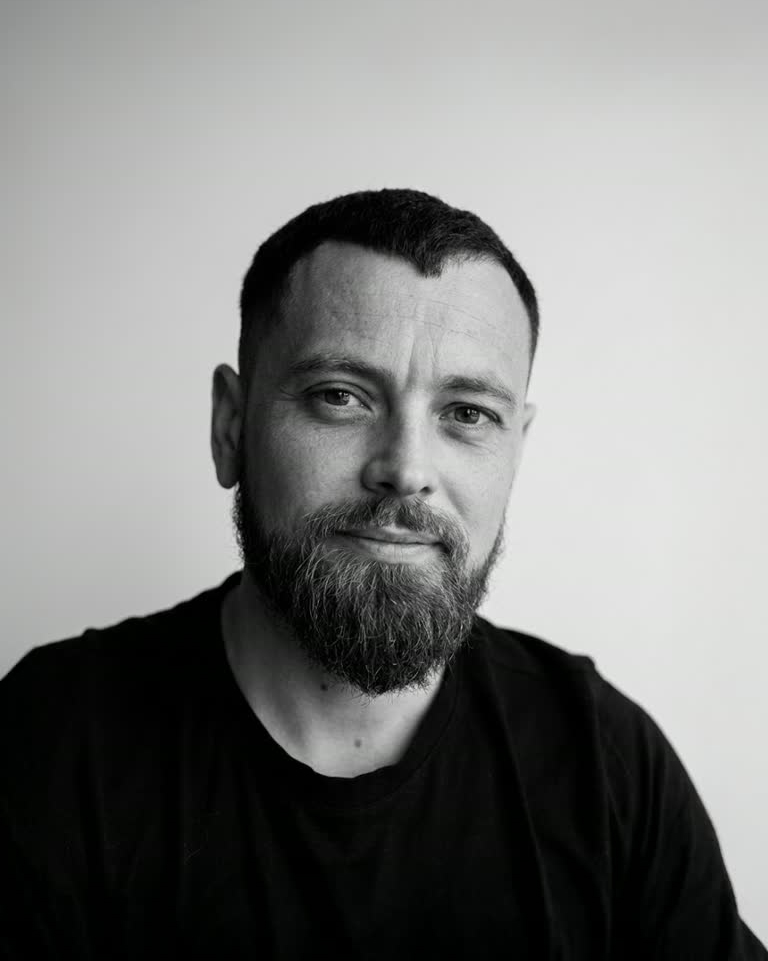


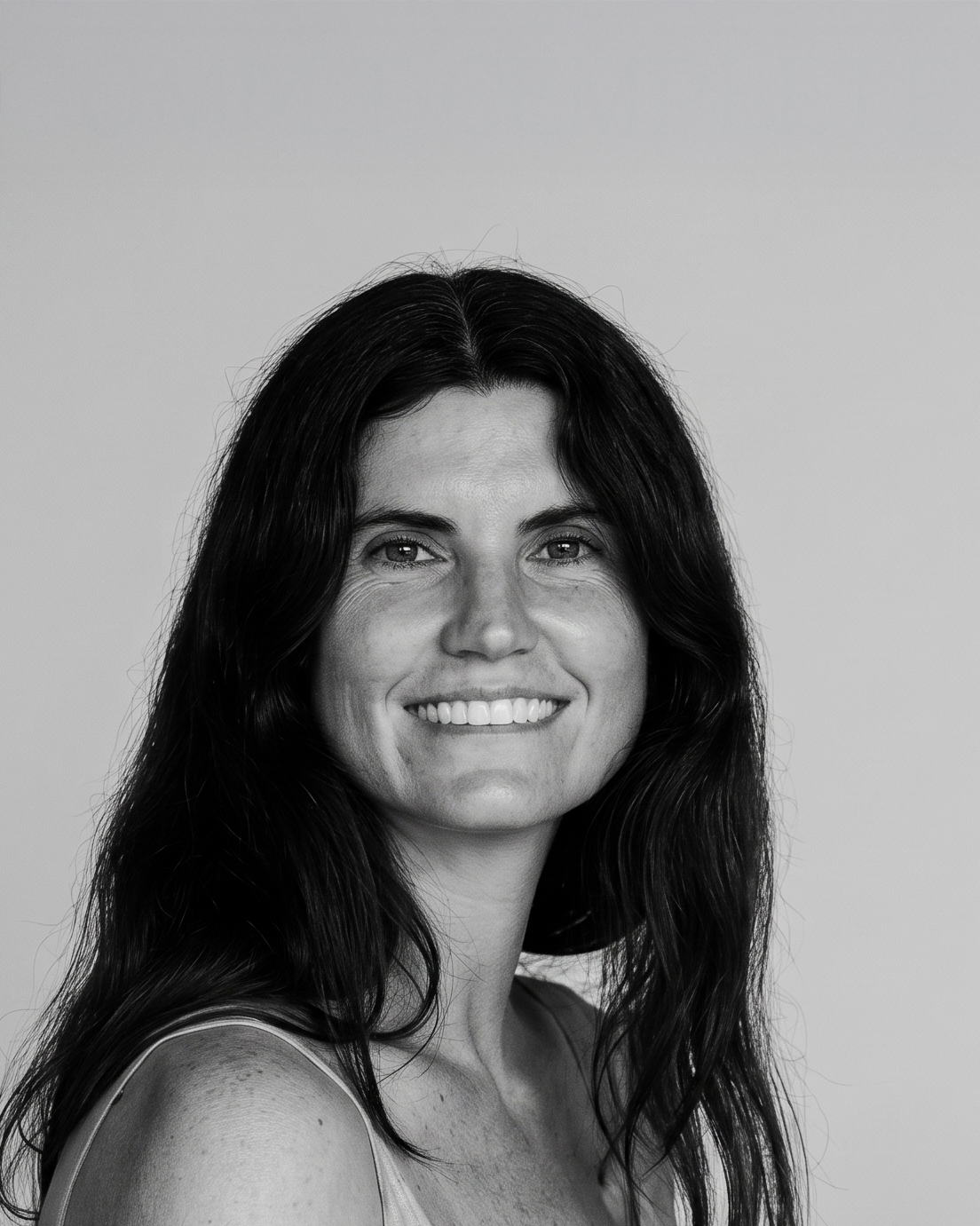
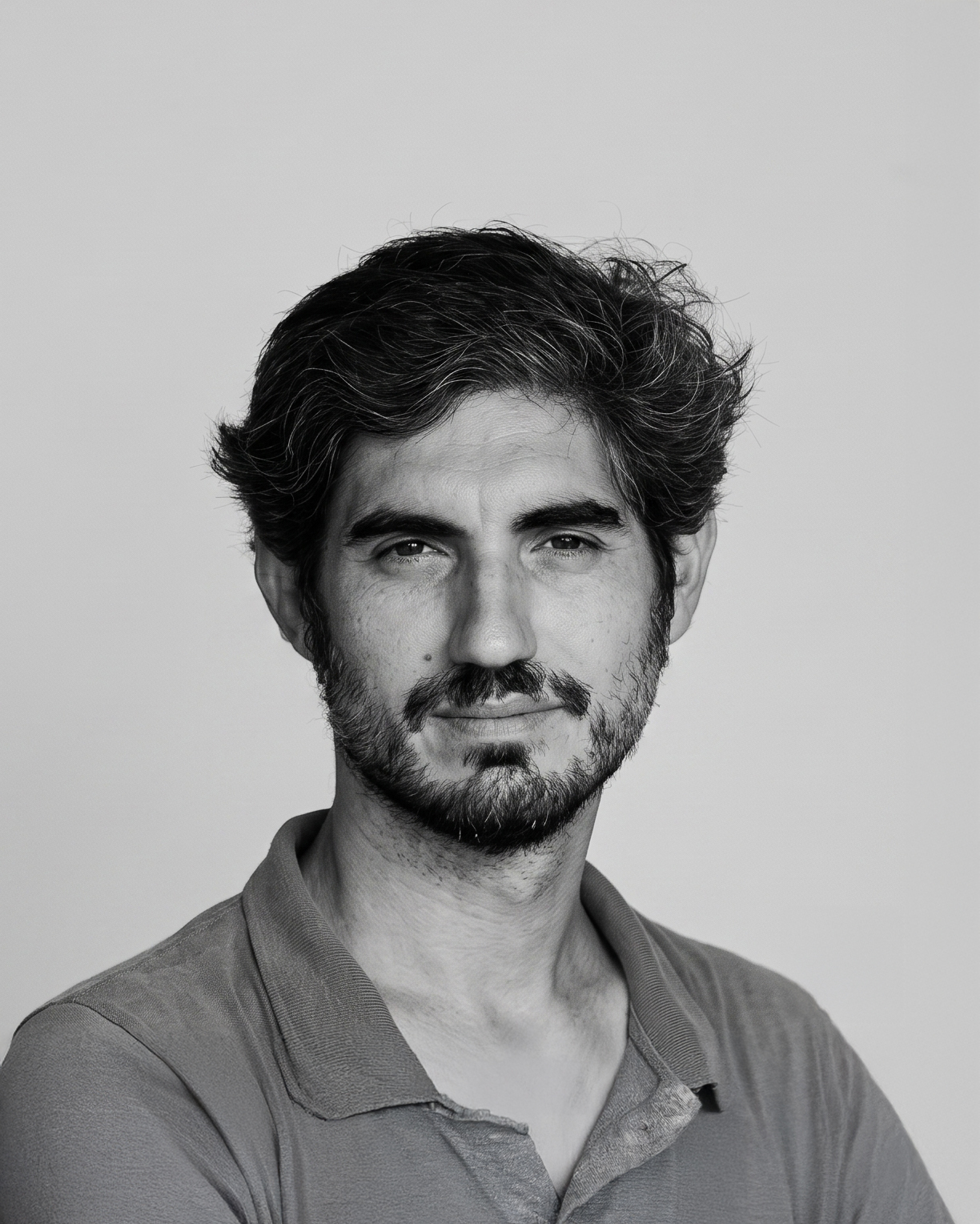










*Some collaborators are shown in anonymised form due to confidentiality agreements with their current employers.
Distributed by design, fifteen-plus countries, eight time zones, ten languages, five continents.
Active network presence across 15+ countries, projects assembled from the closest expertise, not the closest desk.
Five continents covered. Asia, Europe, Oceania, and both Americas, from Hong Kong and Singapore to Spain, the UK, and Latin America.
Network members spread across eight time zones, work continues while one office sleeps.
Ten-plus languages spoken inside the network, clients are heard in their own tongue, not just translated into it.
Four interconnected disciplines. Architecture, Digital, AI, and Training & Education, engineered to work together from day one.
Four integrated pillars that cover the full lifecycle of design, technology, and knowledge transfer.
We provide client design-led architectural services from concept to detailed design. Each stage is supported with technical precision using AI for visualisation and BIM for information management. We lead coordination to reduce construction risk and deliver projects across regions while meeting local regulations.
We provide full-spectrum digital consulting across BIM, computational workflows, and 3D modelling to help design-led teams deliver with clarity, speed, and precision. From model setup and coordination to data automation and visualisation, we align our digital strategy with real-world project needs.
We embed AI into the moments that compound, diagramming, brief extraction, BIM tagging, and presentation production. Not the AI that wins LinkedIn; the AI that ships projects. Continuous testing, project-specific deployment, transparent on what works and what does not.
We deliver tailored training programmes that translate real-world expertise into practical upskilling for professionals and academics. From design teams to business development staff, our sessions adapt to all experience levels and project needs. Delivered live, remotely, or on demand.
CMRS works best with teams and clients committed to delivering better architecture through better process.
Established architecture practices ready to embed AI, BIM, and automation into daily delivery, without abandoning the craft.
Owners seeking precision-delivered projects with full design-technology integration from concept through handover.
Public clients and competitions where rigorous process and contemporary design tools produce better outcomes.
Teams required to deliver under ISO 19650 or similar standards, needing specialist coordination and execution.
Three flexible engagement models, each scoped to match your project, pace, and procurement needs.
A short, targeted assessment delivered against a fixed brief. Typical formats: BIM audit, AI workflow assessment, or computational-readiness review. You receive a clear report with findings, recommendations, and an implementation roadmap.
A full project engagement scoped to your brief. The right team is assembled from the CMRS network for your specific project, architecture, BIM, AI, or the combination you need. Sprint-based delivery with regular client check-ins.
A continuous relationship for studios in transformation. Monthly advisory hours, priority access to specialist talent, and continuous BIM/AI governance embedded in your practice.
Not sure which fits? Let’s talk.
From first conversation to final delivery, transparent, efficient, and designed around you.
A focused 30-minute conversation to understand your challenges, project scope, and goals. We listen first, no pitch decks, no generic proposals. Just clarity on whether we’re the right fit.
Within 48 hours, you receive a clear, detailed proposal: defined scope, timeline, deliverables, and budget. No hidden fees, no ambiguous line items.
We integrate with your team’s tools and workflows. We establish communication channels, reporting cadence, and project milestones.
We deliver in structured sprints with regular client check-ins. Architecture, BIM models, AI workflows, training modules – everything is produced, reviewed, and refined collaboratively.
Final deliverables are handed over with full documentation. Training graduates receive resources and follow-up support. Ongoing advisory options are always available.
Watch how an AI-augmented pipeline analyses a floor plan, identifies spatial inefficiencies, generates optimised layouts, and produces documentation, compressing what used to be a week-long iteration into a single working session.
Professional roles and industry sectors across the CMRS client base, from individual practitioners to institutions.
We deliver tailored training programmes that translate real-world expertise into practical upskilling for professionals and academics.

Envisione Studio · Hong Kong · March 2026
A hands-on session on AI-augmented workflows, generative design, and prompt engineering, tied to Envisione’s live projects.

EmpowerU · University of Hong Kong · Ongoing
Ongoing workshops on architecture, urban design, and environmental awareness, delivered with EmpowerU and HKU for migrant students and underserved communities in Hong Kong.
20 projects across 15+ countries, proof that technology and design belong on the same side of the table.
How CMRS used site analysis, comparative typology, and generative massing to deliver a three-phase masterplan and villa concept for a luxury hospitality development on Siquijor Island, Philippines, from December 2025 through March 2026.
A private hospitality developer needed a masterplan and villa concept design for a luxury resort on Siquijor Island, calibrated to an initial four-villa buildout with capacity to scale to eight, with every unit oriented toward the Apo Island sunset view and sized to the delicate coastal and jungle ecosystems of the site.
A three-phase engagement: site analysis (slope, sun, wind) feeding a masterplan layout study; a villa concept phase comparing 1-Level elevated versus 2-Level massing; and a schematic design package sized for the local construction team. Three parallel concept options. OP02 The Square, OP03 The Island, and OP04 The L-Shape, gave the client real choices, not one polished answer.
A Tropical Luxury architectural language of white rendered walls, timber canopies, infinity pools cantilevering over the slope, and rooftop lounges doubling as second-floor outdoor rooms. The package includes a digital site analysis report, masterplan layout options, view-corridor strategy, mood boards, 3D visualisations comparing options, and the schematic design package that will carry the selected scheme to site.
Start with a conversation. No pitch decks, no pressure, just clarity on whether we’re the right fit.