We bring concept. computation, and coordination into a single, evidence powered pipeline that seamlessly drives architecture, digital delivery, and training thought automation.

After years inside global architecture studios, we saw a profession under pressure: Burnout, unpaidovertime, inefficient workflows, undervalued talent, and resistance to change.Architecture, as both business and craft, is stuck in outdated models. Firms overwork, undercharge and relyon fragmented processes. Innovation stalls, collaboration fades, leadership excludes.We started this company to help architects work smarter and bring meaning back to the profession.

From the client's side, the system feels broken. Expectations are missed, timelines slip, and communication often fails. Clients feel misunderstood and excluded from decisions, often surprised by unclear drawings or rising costs. What should be a collaborative journey becomes fragmented. Architecture feels slow, opaque, and disconnected. We started this company to rebuild trust, aligning process with purpose, using technology for clarity, and making delivery smarter and more responsive.

AIA, Architizer, Houzz
Monograph, 2021
RIBA 2025
Vectorworks, 2022
A small group makes most decisions basedon subjective judgment, impacting 95% ofthe team, effective or not.
Architecture’s business model no longer fits the realities of practice. Top-down structures limit agility, and decisions are often based on opinion rather than evidence.
Meanwhile, new tools are available but rarely adopted, and emerging voices are excluded from shaping better ways.

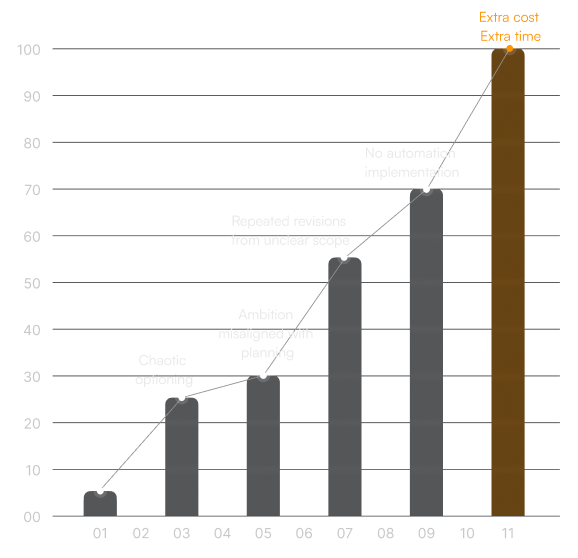
"The Hidden Flaws in Design: Isolation,Delays, and Missed Opportunities"
The problem isn’t just the business model; the issues start early in the design process. Initial decisions are often made in isolation, with linear workflows that delay collaboration and lead to costly rework. Aesthetic choices take priority over performance, and key stakeholders are excluded from critical moments.
"Redefining Design: Collaboration,
Clarity, and Cutting-Edge Efficiency"
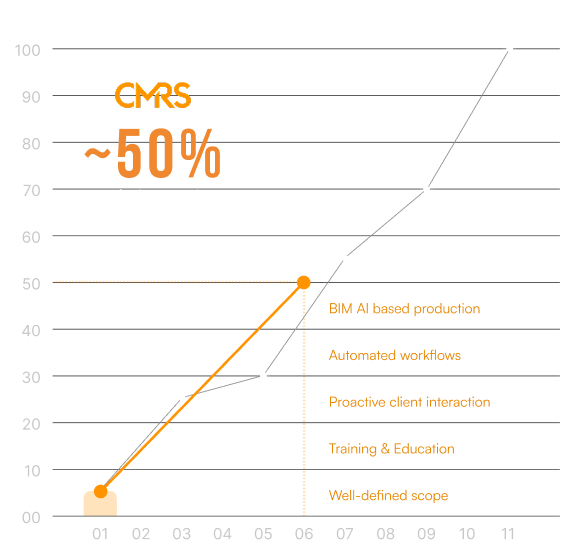
At CMRS, we believe the design process can be radically improved. It starts with a clear scope and contract to ensure alignment and avoid costly ambiguity. We equip stakeholders through early training and bring clients into the process from the beginning, turning their input into clear direction. AI and BIM tools support this by generating design options, automating documentation, and streamlining communication.